
SACRED ADVERTISEMENT: Samizdat Graffiti Koans
The koan doesn't care about our need for certainty. It laughs at our demand for answers that fit neatly into our understanding. "What is the sound of one hand clapping?" isn't a question. It's a small explosion designed to detonate in the fortress of our overly defended mind.
The koan is a prank gift from teachers who refuse to enable our addiction to false comfort. It says: Your confusion is more sacred than other people's clarity. Your not-knowing is more luminous than the brittle confidence of those who claim to have figured everything out.
When we wrestle with a koan, we're not trying to solve it. We're allowing it to disrupt the logical mind that thinks there's something to solve. We're becoming more intimate with the gorgeous absurdity at the heart of existence. Meaning and meaninglessness? They are close kin.
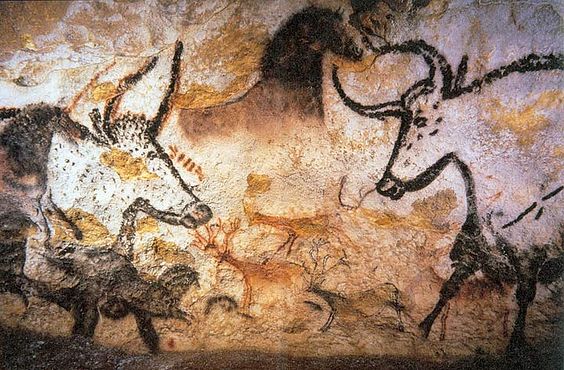
This perfect moment is also brought to you by samizdat, which are dissident makeshift publications that bypass official channels of conveying information and entertainment.
Samizdat is truth that won’t wait for permission. It's the word made flesh in defiance of gatekeepers who want to decide what deserves to be said and heard. In old Soviet Russia, writers typed their forbidden samizdat manuscripts on thin paper, making carbon copies by hand, passing them from reader to reader in a conspiracy of illumination.
But samizdat isn't just historical. It's every blog post that tells a truth the conventional wisdom won't touch. It's every song recorded in a bedroom and released to the world without a marketing budget or corporate approval. It's the graffiti of the soul, written on walls the authorities don't own.
Samizdat says: The means of production belong to anyone brave enough to pick up a pen, keyboard, or spray can. Our voices don't need to be sanctioned by the priests of oligarchy’s culture. Our vision doesn't require validation from the tastemakers who serve the empire.
The very act of creating samizdat is a ritual of resistance. It declares that no power structure has the right to determine what stories get told, what ideas circulate, or what beauty is allowed to exist.
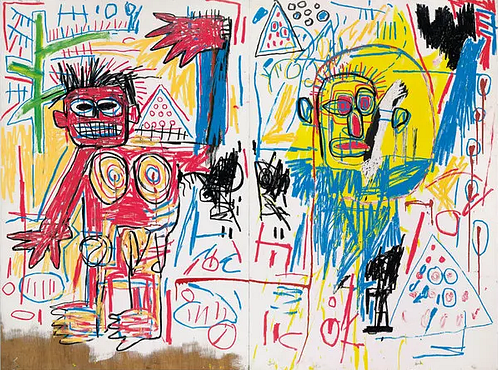
The next perfect moment will be brought to you by samizdat koans and koan-infused samizdats: dissident paradoxical riddle language that subverts every known paradigm so as to activate and incite insurrectionary soul awakenings and unauthorized enlightenment.
Imagine if every piece of underground literature carried within it the explosive potential of Zen's confounding riddles. Imagine if every koan was also a manifesto, a revolutionary transmission.
"If a revolution happens and the mainstream media doesn't cover it, does it still transform reality?"
"What was your original face before you were colonized by the cult of productivity?"
"How do you practice radical tenderness while the world is on fire?"
These questions don’t need answers. They’re tactical strikes against calcified patterns of thought that keep us complicit in our own oppression. They’re designed to make our certainties short-circuit, to reveal the hidden trap doors in the prison of conventional wisdom.
A samizdat koan challenges political systems, but it also challenges the structure of how we think about political systems. It questions spiritual authorities, but it also dissolves the boundary between rebellion and enlightenment, between mystical awakening and social justice work.
When we sit or dance or run with a samizdat koan, we're not just meditating. We're conspiring with the deeper intelligence of the universe to birth new ways of being human that the dominant paradigm has declared impossible and maybe even illegal.
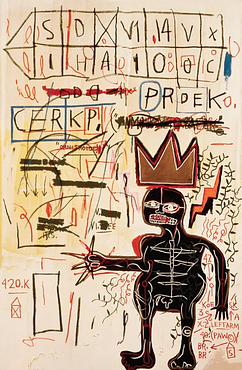
Tomorrow’s most beautifully imperfect perfect moments will be brought to you by graffiti.
Graffiti is the unauthorized signature of the soul on the face of the official world. It's what happens when the need to speak becomes more urgent than the fear of consequences.
Graffiti artist don't ask permission to transform blank walls into sites of revelation. They understand that the city is a text already being written by money and power, and they are editing it. They are adding the marginalia that the original authors tried to forbid.
Every tag is a koan sprayed in living color: I was here. I exist. You can't own my visibility. Every mural is samizdat writ large enough that even the sleepwalkers can't ignore it. Graffiti says: beauty is not the exclusive property of those who can afford to commission it. Wonder has no zoning laws.
The authorities call it vandalism because they know it's more than decoration. It's a territorial dispute about who gets to define reality. When the walls talk back to the billboards, when the grey surfaces of managed space suddenly bloom with visions the urban planners never sanctioned, something shifts in the collective nervous system of the city.
Graffiti is also an act of impermanence courting permanence. The writer knows the work may be painted over by morning. They do it anyway.
Because the doing is the ritual. Because the wall was transformed, even briefly. Because someone will see it before it disappears and something in them will remember that another world is possible—and that it's close, just beneath the surface, pressing to get out.
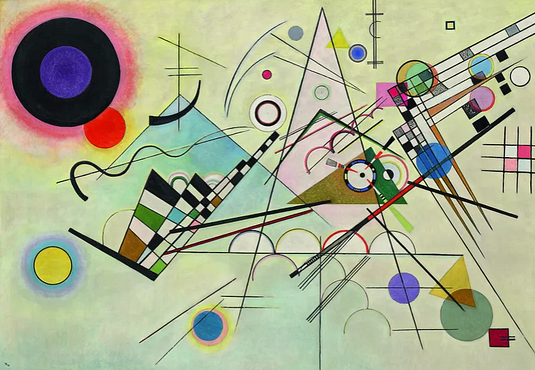
The next thousand perfect moments will be brought to you by the book Enlightenment for Rebels: Celebrating Our Wild and Sacred Earthy Selves in Jubilant Defiance of Disembodied Spirituality.
It’s an insurrectionary summons disguised as a spiritual text.
It's for those who are weary of being told that their bodies are obstacles to overcome, that their desires are distractions, that their messy human stories are illusions to be transcended. It's for those who suspect that the path to liberation doesn't require leaving Earth behind but rather falling more deeply in love with it.
Enlightenment for Rebels argues that the ego isn't the enemy. The war against the ego is. Our ordinary self, with all its quirks and contradictions, is already worthy of reverence. Perfect moments don't vanish like smoke but persist in ways the doctrine of impermanence can't account for.
This book celebrates the soul's need for both transcendence and incarnation, both stillness and wild movement, both solitary meditation and ecstatic communion. It suggests that true awakening doesn't mean rising above our humanity but diving more fully into it—including all the parts that polite spirituality has taught you to be ashamed of.
It's a grimoire for those who want to get enlightened without becoming less interesting and less passionate. For those who refuse to choose between heaven and earth because they understand that the boundary between them is a lie told by people who’re afraid of their own vitality.
Enlightenment for Rebels is written for everyone who has ever walked out of a meditation retreat feeling vaguely violated by teachings that seemed to require them to become less of who they are. For those who sense that the future of spirituality belongs to tricksters, lovers, activists, and feral mystics who know that consciousness wants to be embodied, not escaped from.
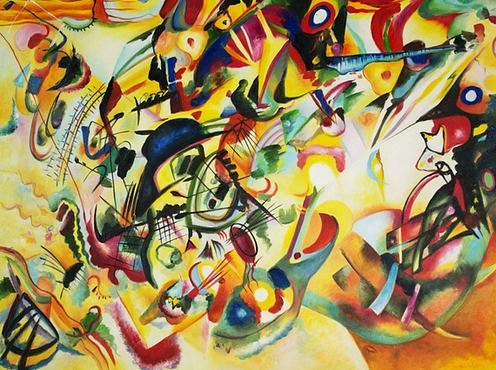
The perfect moments that await you exactly 13 years and 13 days from now are brought to you by the following suggestions:
Cure broken symbols
Mock sarcasm
Purify mischief
Incite outbreaks of gratitude
Enjoy useful bewilderment
Apotheosize mediocre pleasure
Blaspheme holier-than-thou joy
Howl delicate generosity
Curate friendly shocks
Incubate exalted impossibilities
Insist on gritty grace
Sing extravagant logic
Wriggle free of outmoded pain
Harness wise amazement
Evolve habit-ridden sacraments
Be alert for surprise healings
Memorize the best future
Deify all rivers
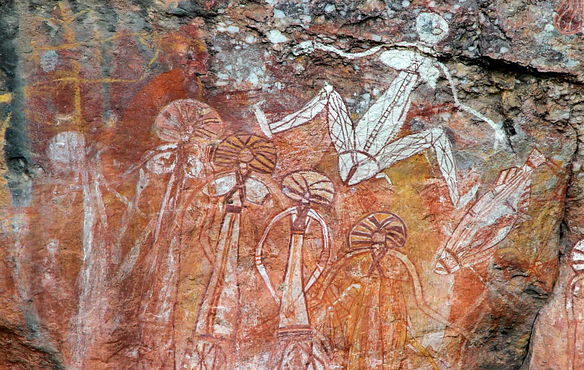
Prayer for Us
Pronoia therapy
Prayer Warriors Standing By
Listen to Rob's Expanded Audio horoscopes, updated weekly.
Pronoia therapy
Prayer Warriors Standing By
Listen to Rob's Expanded Audio horoscopes, updated weekly.


